
Cook Healthy on a Budget
Master Simple Cooking Techniques That Save Money and Nourish Your Family
The information on this site is for educational purposes only and does not constitute medical advice. Always consult a qualified healthcare professional before making health decisions.
Why Budget-Friendly Cooking Matters
Potential savings on grocery bills with proper planning
More meals from the same ingredients using batch cooking
Days of prepared meals from one weekend session
Nutritional control without premium product prices
Batch Cooking Mastery
Prep Once, Eat All Week. Batch cooking is the cornerstone of budget-friendly meal preparation. By dedicating just a few hours on the weekend, you can prepare proteins, grains, and vegetables that form the foundation for multiple meals throughout the week. This technique reduces food waste, minimizes decision fatigue, and ensures you always have nutritious options ready.
The key is understanding how to store prepared ingredients safely and combine them creatively into different dishes. Whether you're cooking grains like rice and quinoa, roasting seasonal vegetables, or preparing proteins, these methods preserve nutrition while extending shelf life economically.
- Save 4-6 hours of weekday cooking time
- Reduce impulse food purchases and waste
- Create variety from basic ingredients
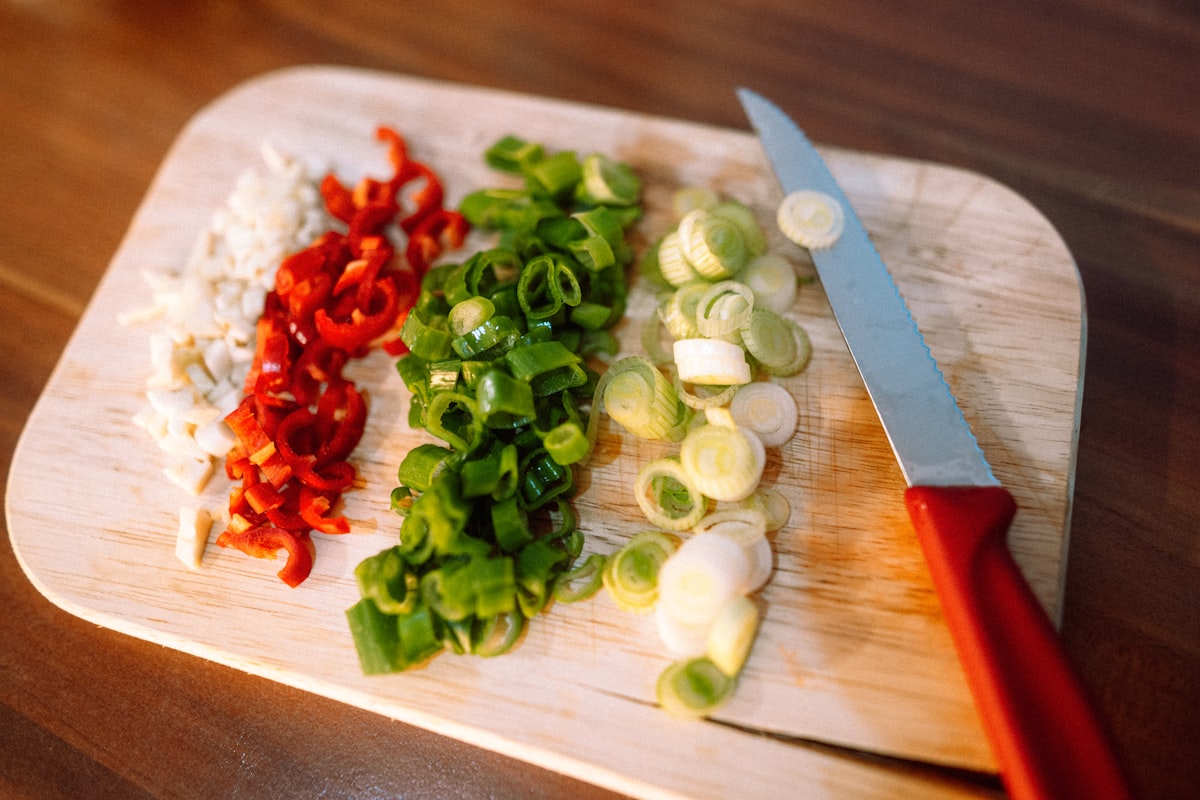
Five Essential Budget-Friendly Cooking Methods
One-Pot Cooking
Combine proteins, vegetables, and grains in a single pot to reduce energy costs, minimize cleanup, and create deeply flavorful dishes. This method works perfectly for soups, stews, and grain bowls.
Sheet Pan Roasting
Roast multiple vegetables and proteins simultaneously on one baking sheet. This technique maximizes oven efficiency, reduces prep time, and brings out natural sweetness in affordable vegetables.
Slow Cooking
Transform tough, affordable cuts of meat and dried legumes into tender, flavorful meals with minimal effort. Slow cooking uses less energy than conventional cooking and develops rich flavors from basic ingredients.
Blending & Puréeing
Create creamy soups, sauces, and spreads from affordable ingredients without cream or cheese. Blending transforms humble vegetables and legumes into elegant, nutrient-dense dishes.
Pickling & Fermentation
Preserve affordable seasonal produce using vinegar, salt, and fermentation. These ancient techniques extend shelf life, add probiotic benefits, and create condiments that elevate simple meals.
Steaming
Cook vegetables, proteins, and grains using steam, which preserves nutrients while using minimal water and energy. This method is ideal for creating quick side dishes and preparing ingredients for meal combinations.
Your Journey to Affordable Nutritious Meals
Learn the Basics
Discover fundamental cooking techniques that maximize nutrition while minimizing cost. Start with simple methods like steaming, boiling, and one-pot cooking that form the foundation of budget-friendly meals.
Plan & Prepare
Develop a strategic shopping list based on seasonal produce and bulk ingredients. Learn meal planning tactics that reduce waste, eliminate impulse purchases, and create variety from limited ingredients.
Master Batch Methods
Implement batch cooking strategies to prepare multiple meals simultaneously. Learn storage techniques, flavor combinations, and reheating methods that maintain quality throughout the week.
Sustain & Adapt
Build long-term habits that evolve with seasons, markets, and preferences. Continuously refine your technique, experiment with new ingredients, and maintain sustainable healthy eating without financial stress.
Real Stories from Budget Cooking Champions
Learning these batch cooking techniques completely transformed how I feed my family. I now spend less than half what I used to on groceries while actually eating better meals. The one-pot and sheet pan methods alone have saved me countless hours in the kitchen every week.
Agnieszka Kowalska
Warsaw
I was skeptical about making everything from scratch, but after just two weeks of following these methods, I realized I was spending less money while eating nutritious, delicious food. The slow cooking technique has become my favorite way to create amazing dishes from budget-friendly cuts of meat.
Piotr Lewandowski
Krakow
The pickling and fermentation techniques have opened a whole new world for me. I can now preserve seasonal vegetables affordably and create condiments that make simple meals feel special. My family actually gets excited about healthy eating now.
Karolina Nowak
Gdańsk
As a student with a very limited budget, these cooking methods have been a lifesaver. I learned how to make affordable meals taste incredible using basic ingredients and simple techniques. My grocery bill dropped dramatically while my nutrition improved significantly.
Tomasz Zieliński
Wroclaw
Common Questions About Budget-Friendly Techniques
Most cooked proteins and vegetables can be safely stored in airtight containers in the refrigerator for 3-4 days. Grains last up to 5 days. For longer storage, freeze portions in freezer-safe containers for up to 3 months. Always cool food to room temperature before storing, and use clear containers so you can see contents easily. Label everything with the date prepared.
You can start with minimal equipment: a large pot, a sheet pan, and some storage containers. A slow cooker is optional but very helpful. As you progress, you might add a food processor or blender for soups and purées. Many successful batch cookers use only these basic tools. Focus on technique before investing in specialty equipment.
Slow cookers are incredibly efficient, using about one-third the energy of a conventional oven. One-pot cooking on the stovetop minimizes energy use because you're heating one vessel instead of multiple. Batch cooking in the oven (using sheet pans and one large pot) is also efficient because you're using the oven space fully. Steaming uses minimal water and heat. Avoid quick cooking methods that require high heat for short periods.
Prep neutral base components (grains, proteins, vegetables) rather than complete meals. Store them separately and combine them differently throughout the week. Use affordable spices and condiments to create variety—the same roasted vegetables can become a Mexican bowl one day and Asian-inspired the next. Prepare different proteins and grains each week. Include pickling and fermentation projects for fresh, varied flavors. The key is flexibility in assembly, not cooking the same dish repeatedly.
Absolutely. The key is cooking simple, plain components and allowing people to customize them. Prepare proteins without heavy sauces, cook grains plain, and roast vegetables with minimal seasoning. Everyone can then add their preferred toppings, sauces, and seasonings. This approach accommodates various preferences while maintaining budget efficiency. You're cooking the hard part once, but the customization happens during mealtime.
Rice, pasta, dried beans, lentils, oats, and flour are excellent bulk purchases that store well long-term. Frozen vegetables are often cheaper than fresh and equally nutritious. Canned tomatoes, coconut milk, and broth are budget-friendly staples. Buy seasonal produce in bulk and freeze or preserve it. Eggs are usually affordable and incredibly versatile. Opt for store brands, which are often identical to name brands at half the cost. Avoid pre-cut or pre-cooked products, as you're paying for convenience.
Stay Updated with Budget Cooking Tips
Get regular articles and techniques delivered to your inbox
Ready to Transform Your Kitchen Budget?
Explore our comprehensive collection of recipes, techniques, and meal planning strategies. Learn from our editorial team of experienced home cooks and nutritionists who understand real-world budget constraints.